Running a manufacturing business today isn’t just about efficiency — it’s about anticipation. The flexible packaging industry, once driven largely by cost and scale, is now being reshaped by global policy shifts, sustainability pressures, and volatile supply chains.
While internal strengths like operational excellence, workforce efficiency, and financial planning remain critical, the real disruption is coming from forces outside organizational control — and they are evolving faster than ever.
Here are three major external threats redefining the flexible packaging landscape in 2026:
1. Sustainability Regulations & Plastic Compliance Pressure


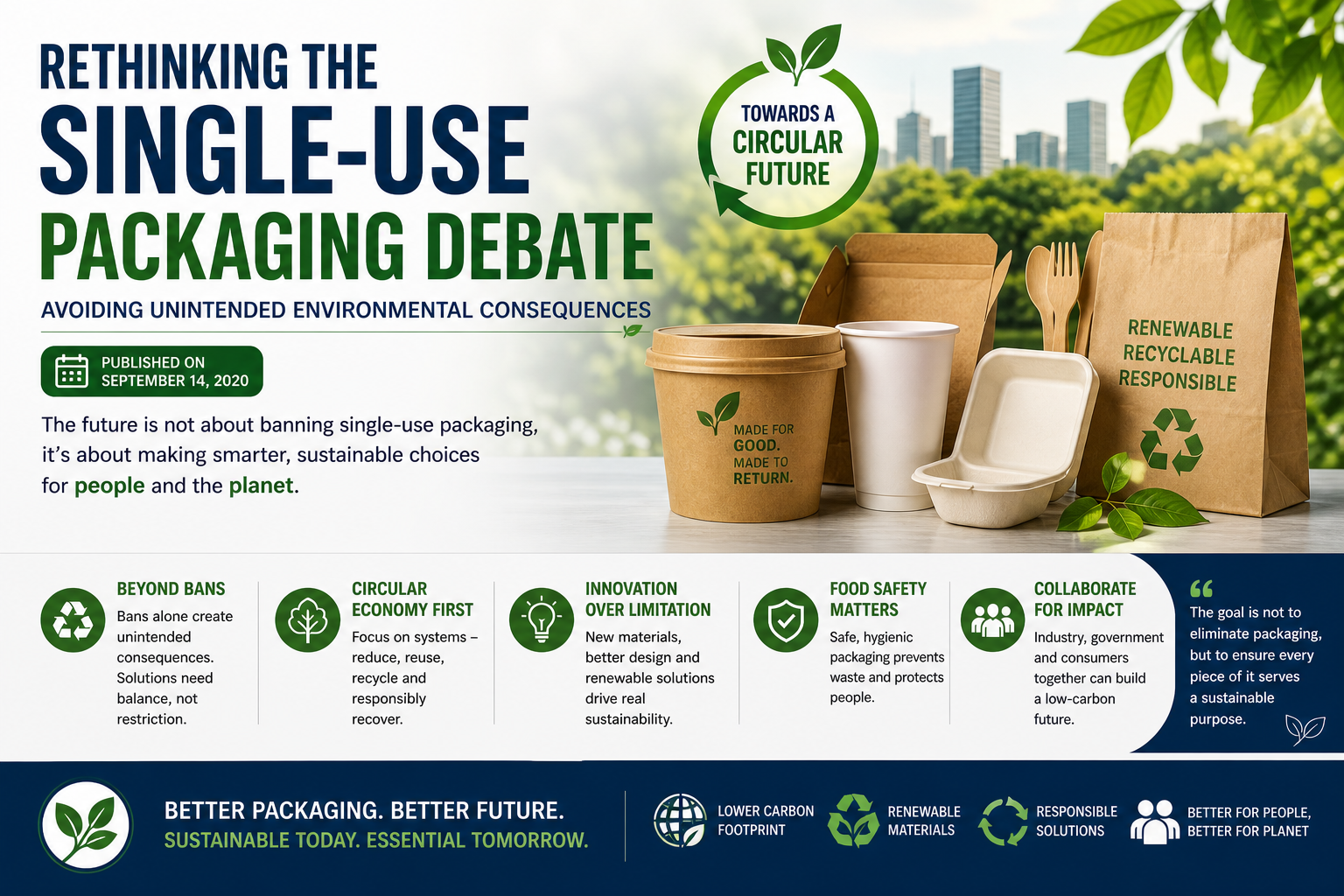
Governments across the globe — especially in India, Europe, and North America — are aggressively tightening regulations around plastic usage.
Policies like:
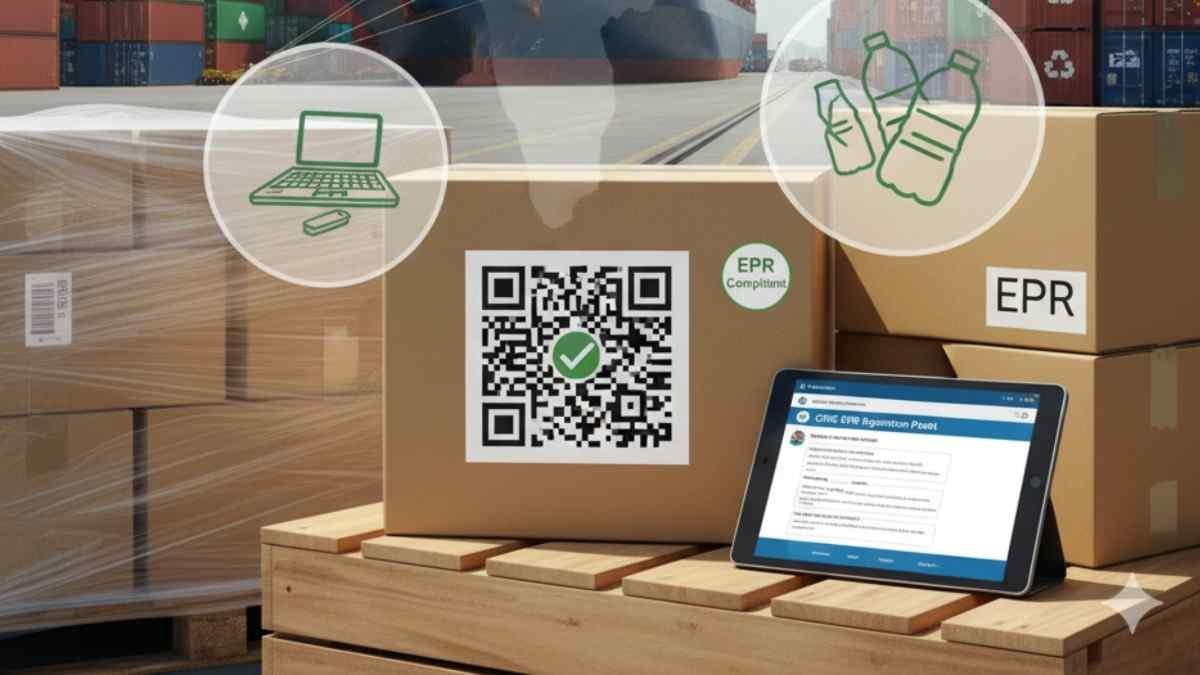
- Extended Producer Responsibility (EPR)
- Single-use plastic bans
- Mandatory recycled content targets
…are forcing packaging companies to rethink materials, sourcing, and production processes.
The challenge:
Sustainable alternatives (like recyclable or biodegradable films) are still:
- More expensive
- Technically complex
- Not always scalable
Companies that fail to adapt risk losing both market relevance and regulatory approval.
2. Raw Material Volatility & Supply Chain Instability


The earlier disruption caused by plant shutdowns has now evolved into a long-term volatility problem.
Key factors driving instability:
- Geopolitical tensions affecting oil supply
- Fluctuating crude oil prices (directly impacting PE & PP)
- Shipping disruptions and rising logistics costs
- Regional production dependencies
The result:
Pricing unpredictability and margin pressure have become the new normal.
Unlike before, this is no longer a temporary shock — it’s a structural challenge requiring:
- Smarter procurement strategies
- Supplier diversification
- Inventory risk planning
3. Global Economic Uncertainty & Demand Fluctuation


The global economy is in a constant state of flux.
From inflation cycles to shifting consumer behavior and trade policy changes, demand patterns are becoming increasingly unpredictable.
For the packaging industry — which is heavily dependent on FMCG, retail, and e-commerce — this creates:
- Irregular order volumes
- Pressure on pricing negotiations
- Increased competition for shrinking margins
The bigger issue:
Even well-structured internal operations can’t fully shield a business from external demand shocks.
The Way Forward: From Stability to Adaptability
At its core, the flexible packaging industry is no longer just a manufacturing game — it’s a strategic agility game.
Companies that will lead in this decade are the ones that:
- Build resilient supply chains instead of cost-optimized ones
- Invest in sustainable material innovation early
- Use data-driven forecasting to manage uncertainty
- Develop leadership that can respond quickly to external disruptions
A traditional SWOT analysis is no longer enough. Businesses must move toward continuous external environment monitoring and rapid decision-making frameworks.