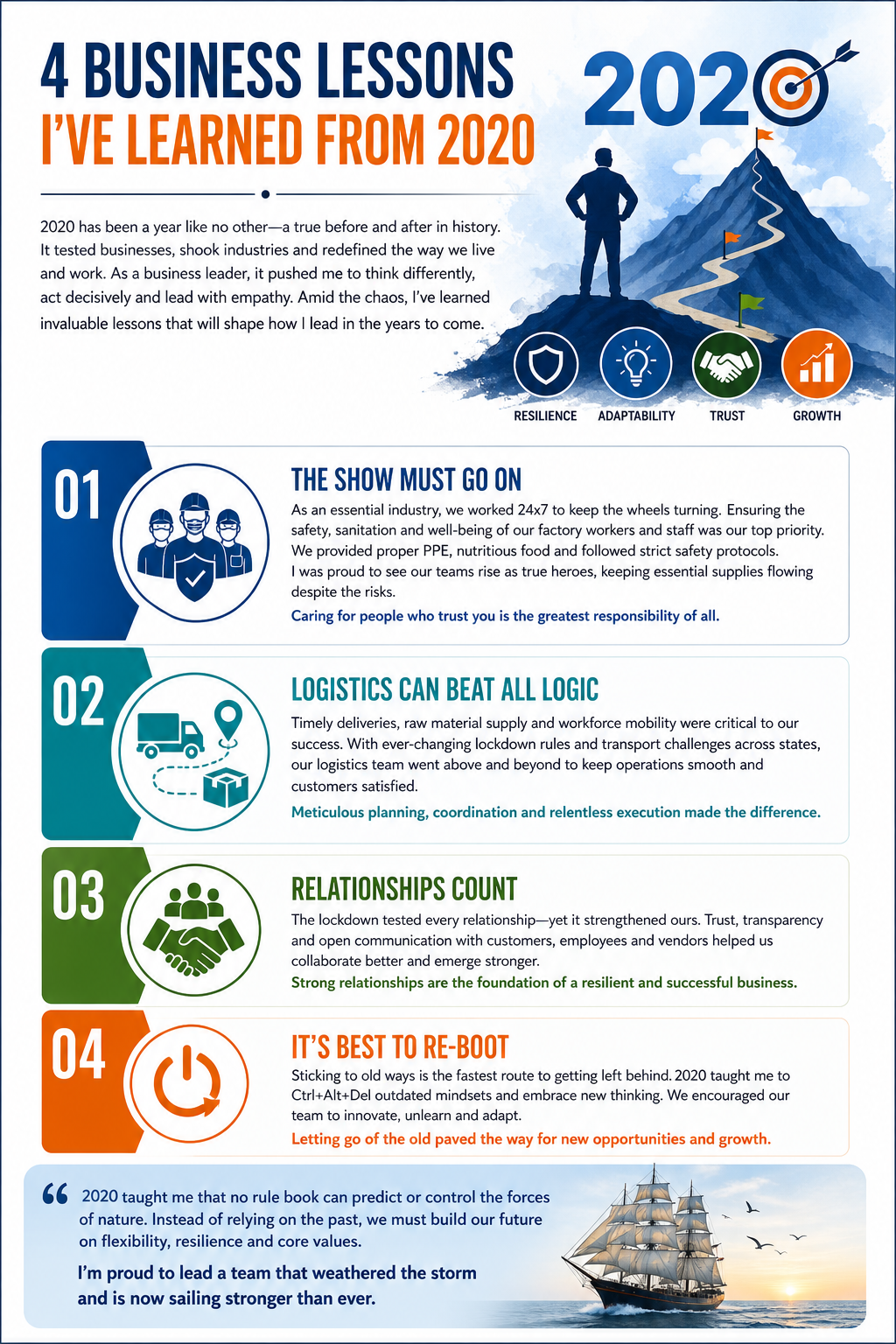
The COVID-19 pandemic didn’t just disrupt consumer behavior—it permanently reshaped it. What began as a health crisis has now evolved into a long-term transformation of how people shop, consume, and prioritize their spending.
Even in 2026, the ripple effects are clearly visible. The FMCG sector has not only survived but adapted, innovated, and grown stronger in a rapidly changing environment.
🚀 A Sector That Turned Crisis into Growth
India’s FMCG market continues to expand at an impressive pace. From a valuation of around $287 billion in 2025, it is projected to cross $1 trillion by 2034, growing at over 16% CAGR.
In fact, the sector has already shown strong momentum:
- 13.9% value growth and 6% volume growth in early FY26
- Rapid expansion driven by rural demand, e-commerce, and smaller pack sizes
The pandemic may have sparked the change—but sustained growth is being driven by smarter strategies and evolving consumer expectations.
🛒 Changing Consumer Behaviour: Then vs Now
During COVID, consumers prioritized hygiene and essentials. In 2026, that behavior has matured into conscious consumption.
Key shifts:
- Health & wellness remain top priority
- Rise of immunity products, organic foods, and ayurvedic solutions
- Increased demand for personal care and grooming products
- Strong growth in premium and value-added offerings
Additionally, the concept of “polarisation” still exists:
- Budget-conscious buyers prefer small packs & sachets
- Premium consumers opt for bulk buying & high-end products
📦 Packaging Industry: From Challenge to Opportunity
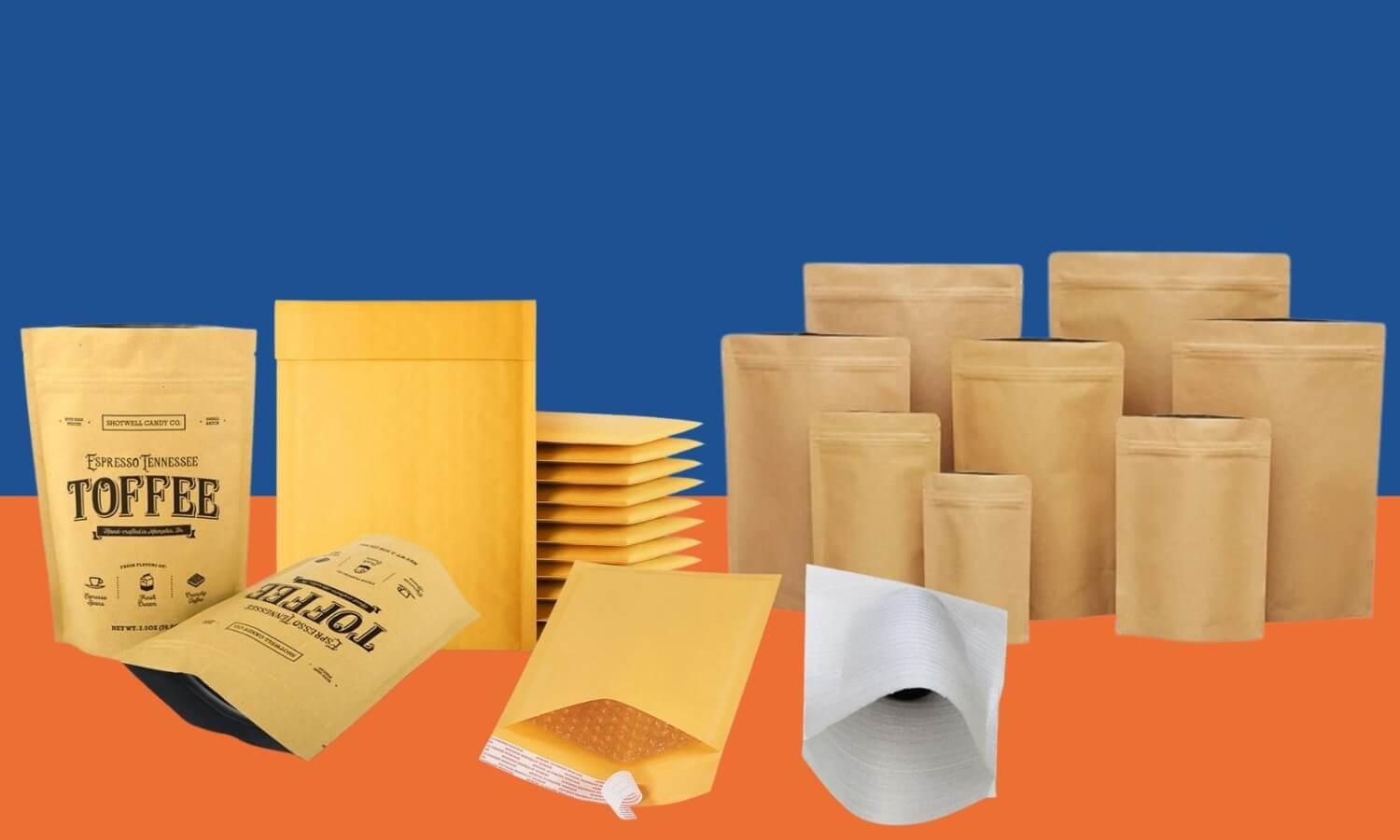
The packaging industry, a backbone of FMCG, has undergone massive transformation.
Current realities in 2026:
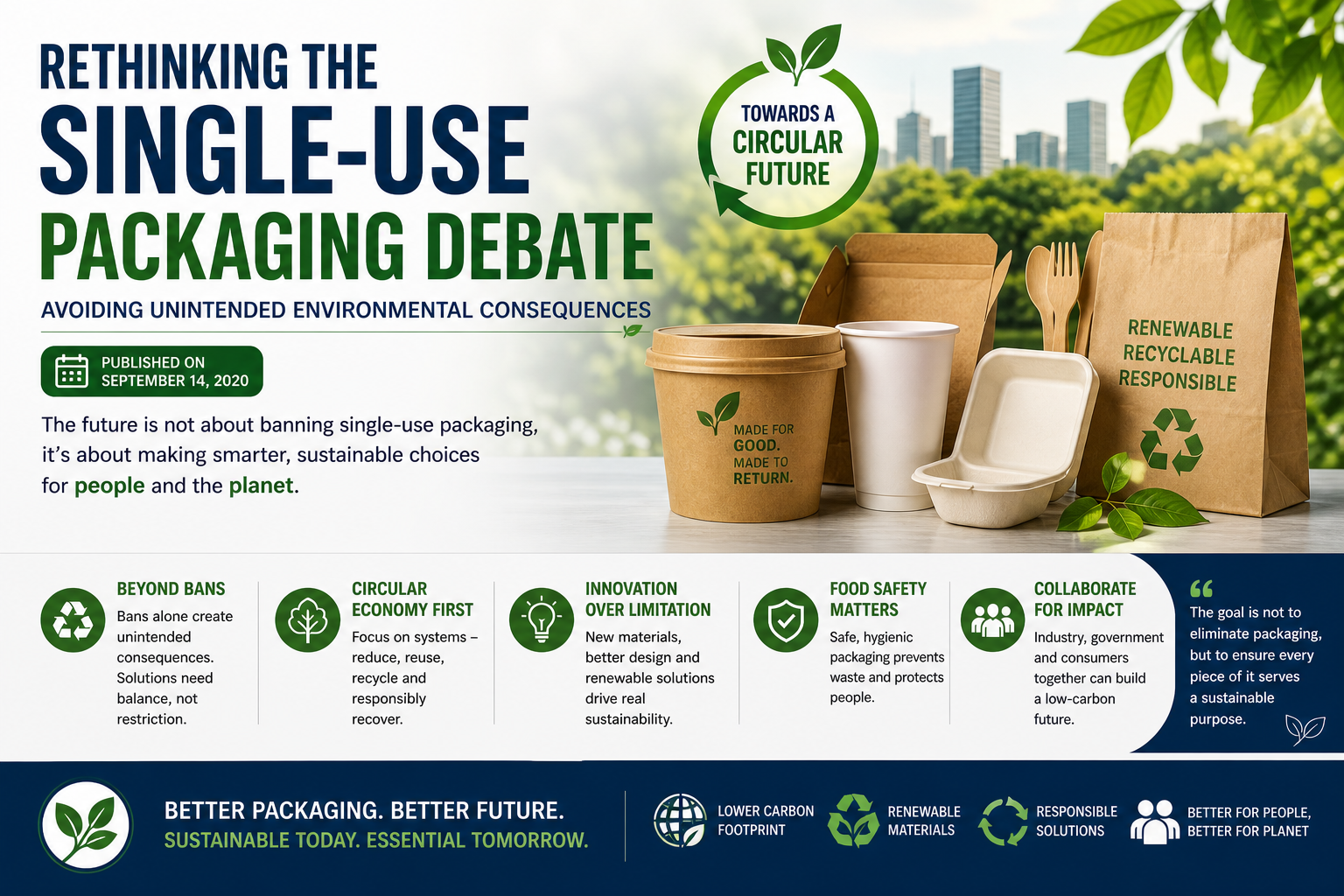
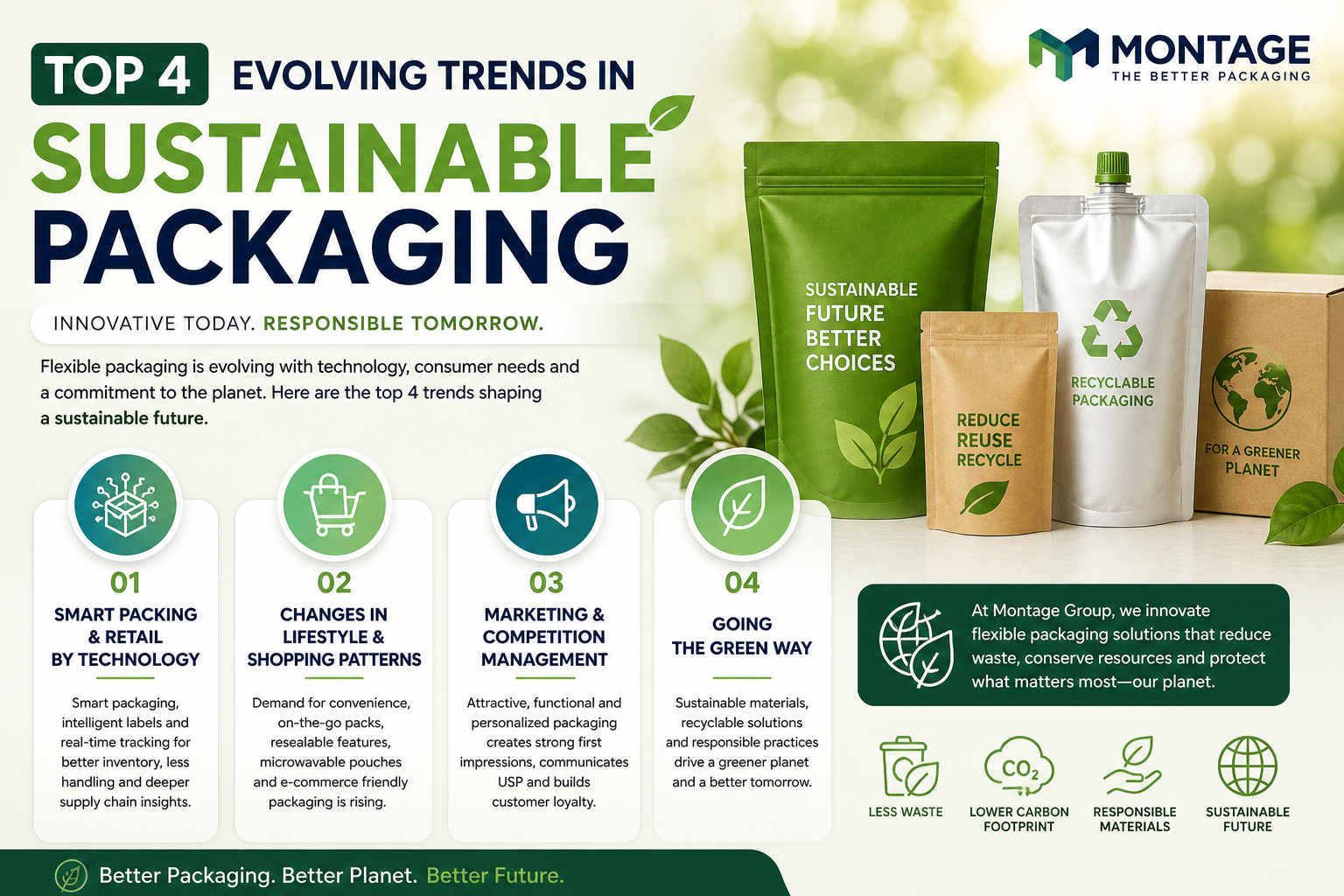
- Need for sustainable and eco-friendly packaging
- Rising concerns around product safety & hygiene
- Pressure from volatile raw material prices
- Increasing demand from quick commerce & e-commerce channels
Companies that balance cost, sustainability, and safety are leading the game.
📊 Key Growth Drivers in 2026
The FMCG ecosystem today is powered by multiple growth engines:
1. Digital & E-commerce Boom
E-commerce now contributes significantly, with up to 18% share in top metros
2. Rural Market Expansion
Rural demand continues to be a major growth pillar, supported by:
- Rising incomes
- Better infrastructure
- Wider product accessibility
3. Premiumization Trend
Consumers are upgrading to:
- Better quality products
- Science-backed and wellness-based solutions
- Personalized FMCG offerings
4. AI & Data-Driven Supply Chains
Companies now use:
- Predictive analytics
- Demand forecasting
- Real-time consumer insights
This shift has improved efficiency and reduced waste significantly.
⚠️ Challenges Still Exist
Despite strong growth, FMCG companies face ongoing hurdles:
- Raw material inflation (8–10%) impacting margins
- Urban demand slowdown due to financial stress
- Fluctuating rural consumption patterns
- Intense competition from D2C and emerging brands
The market is no longer about survival—it’s about smart positioning and agility.
🔮 The Future: What Lies Ahead?
The FMCG sector is moving toward a more intelligent, consumer-first ecosystem:
- Hyper-personalized products
- Subscription-based consumption models
- Strong D2C brand ecosystems
- Integration of sustainability into core strategy
Companies that innovate faster and stay closer to consumer needs will dominate the next decade.