Packaging has come a long way—from wooden crates and glass containers to advanced multi-layer flexible materials. What began as a basic necessity for storage and transportation has now transformed into a strategic business tool that drives sustainability, branding, and consumer engagement.
In 2026, the packaging industry is no longer just about protection—it’s about intelligence, responsibility, and innovation. Among all formats, flexible packaging continues to lead the evolution due to its adaptability, efficiency, and lower environmental footprint.
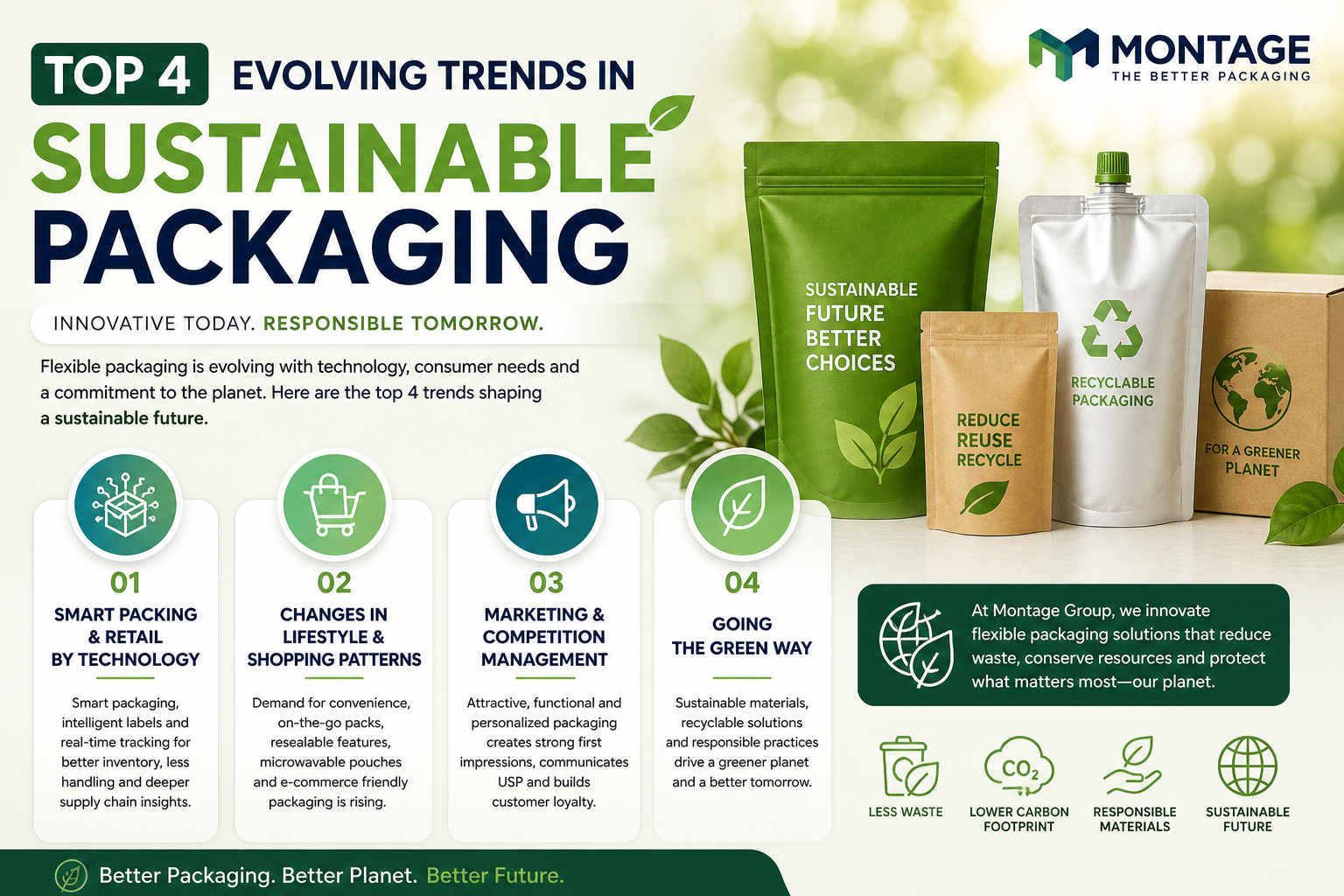
Here are the top 4 trends shaping sustainable packaging today:
1. Smart Packaging Powered by Technology
Packaging is becoming smarter, connected, and data-driven.
Modern innovations include:
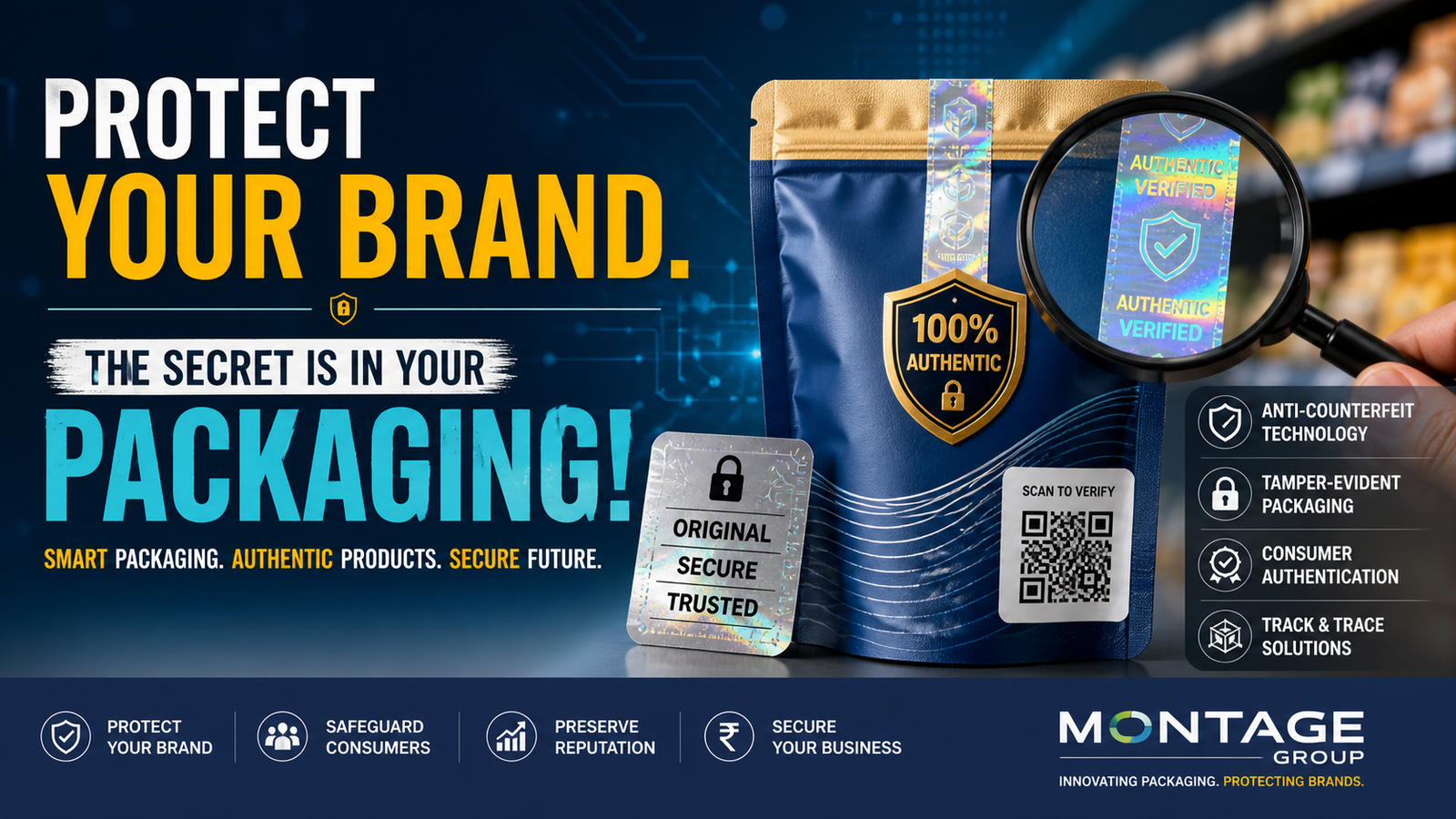
- QR codes and NFC tags for product authentication
- Real-time supply chain tracking
- Intelligent labels for inventory and retail analytics
Smart packaging enables brands to:
- Monitor product movement
- Track consumer behavior
- Reduce losses and improve efficiency
This integration of technology transforms packaging into a powerful data and engagement tool, not just a container.
2. Lifestyle-Driven Convenience Packaging
Consumer lifestyles in 2026 demand speed, portability, and convenience.
Key shifts include:
- On-the-go and single-use portion packs
- Resealable and zipper packaging
- Microwaveable and ready-to-eat formats
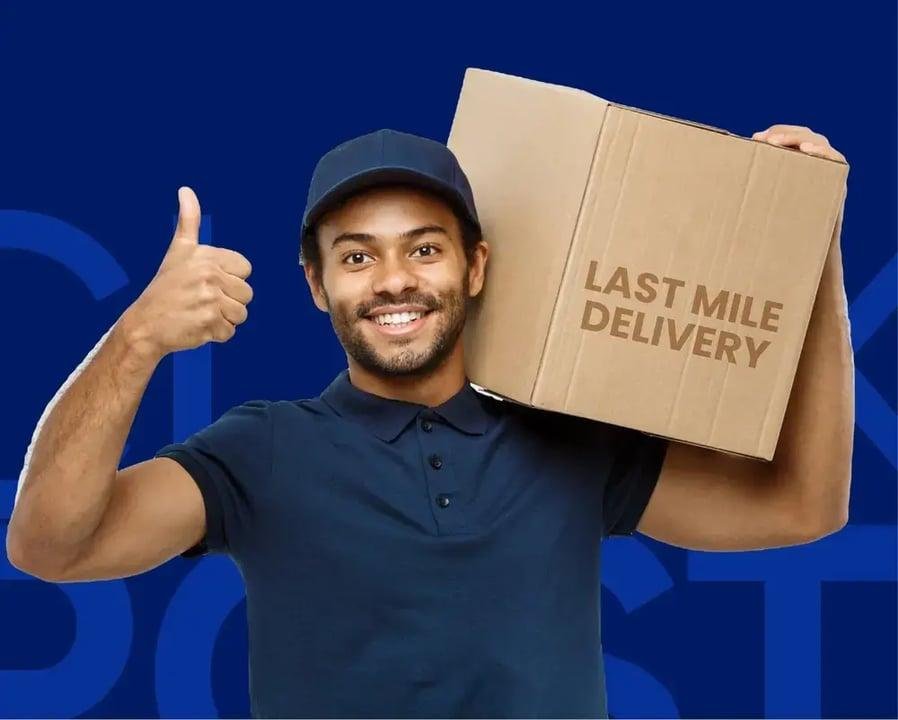
With the rapid growth of e-commerce, packaging must also:
- Withstand logistics stress
- Prevent leakage, puncture, and contamination
- Maintain product freshness for longer durations
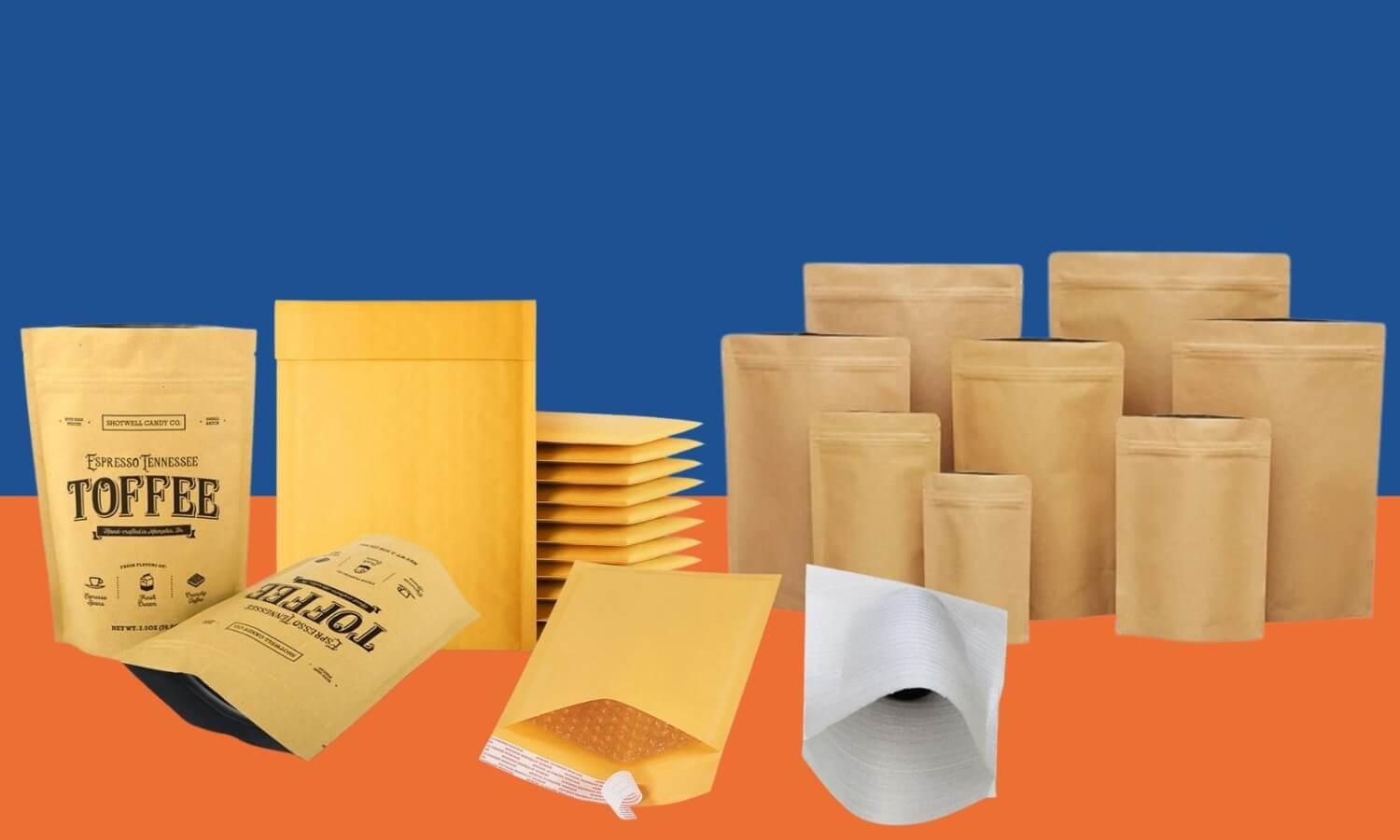
Flexible packaging is leading this shift by offering lightweight, durable, and highly functional solutions.
3. Packaging as a Marketing & Brand Experience Tool
Packaging has become the first touchpoint between brand and consumer.
In a highly competitive FMCG landscape:
- Visual appeal drives purchase decisions
- Personalized and premium designs increase brand recall
- Packaging communicates product USP instantly
Brands are now using packaging to:
- Build emotional connections
- Enhance unboxing experiences
- Strengthen customer loyalty
In 2026, packaging is no longer secondary—it’s a core marketing asset.
4. Sustainability & Circular Packaging Solutions
Sustainability is now at the heart of packaging innovation.
Driven by environmentally conscious consumers—especially millennials and Gen Z—brands are focusing on:
- Recyclable and mono-material packaging
- Reduced material usage
- Energy-efficient production processes
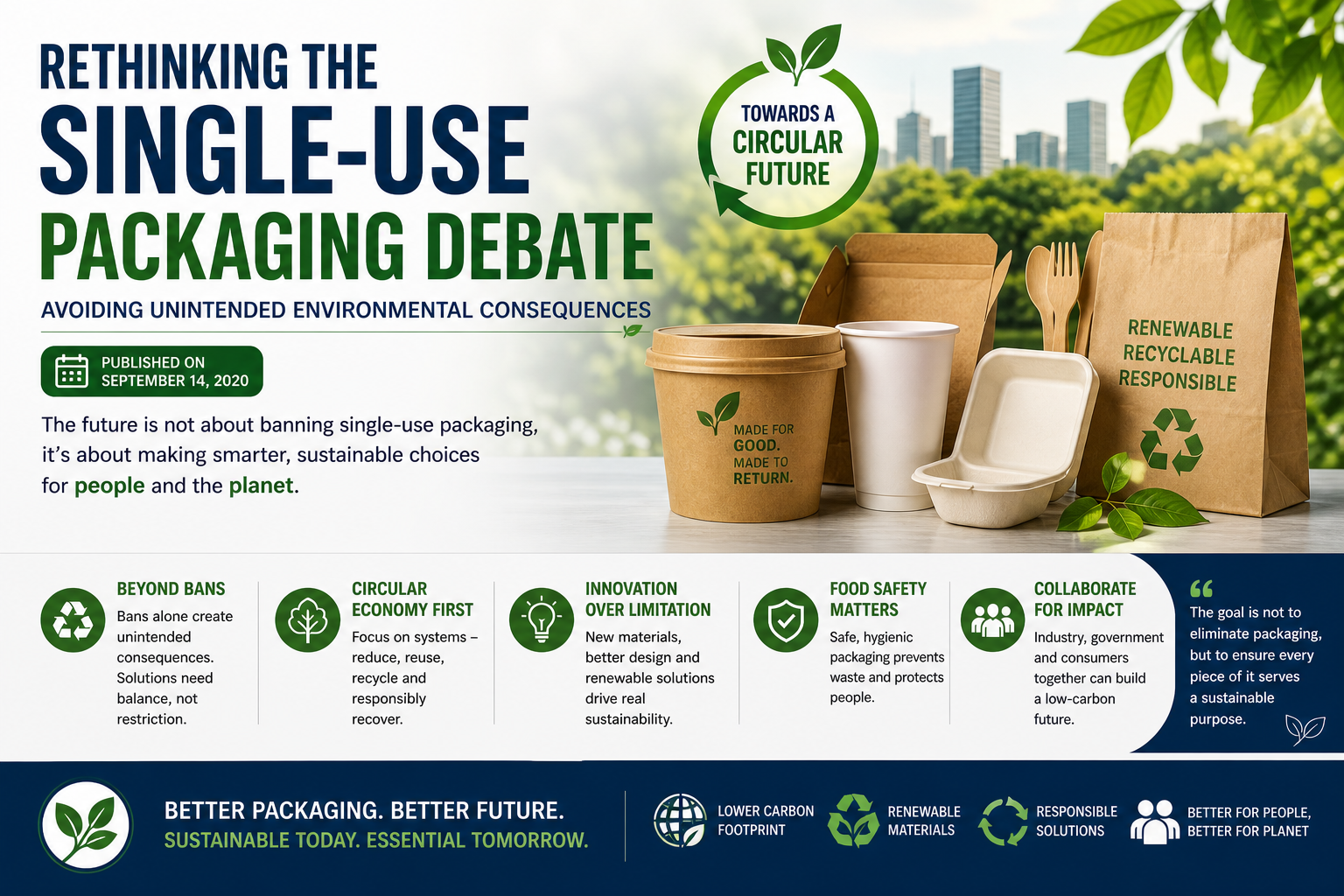
The “Reduce, Reuse, Recycle” model is evolving into a circular economy approach, where packaging is designed for reuse, recovery, and minimal waste.
Leading companies are:
- Developing eco-friendly materials
- Investing in waste collection and recycling systems
- Redesigning packaging structures to reduce carbon footprint
Flexible packaging, when engineered correctly, offers:
- Lower energy consumption
- Reduced transportation costs
- Minimal material wastage
Conclusion: The Future is Flexible, Smart & Sustainable
As we move further into 2026, packaging will continue to evolve at the intersection of:
- Technology
- Consumer behavior
- Sustainability
Flexible packaging stands out as a future-ready solution—balancing performance, cost, and environmental responsibility.
Brands that adapt to these trends will not only stay competitive but also build trust, efficiency, and long-term value in an increasingly conscious marketplace.