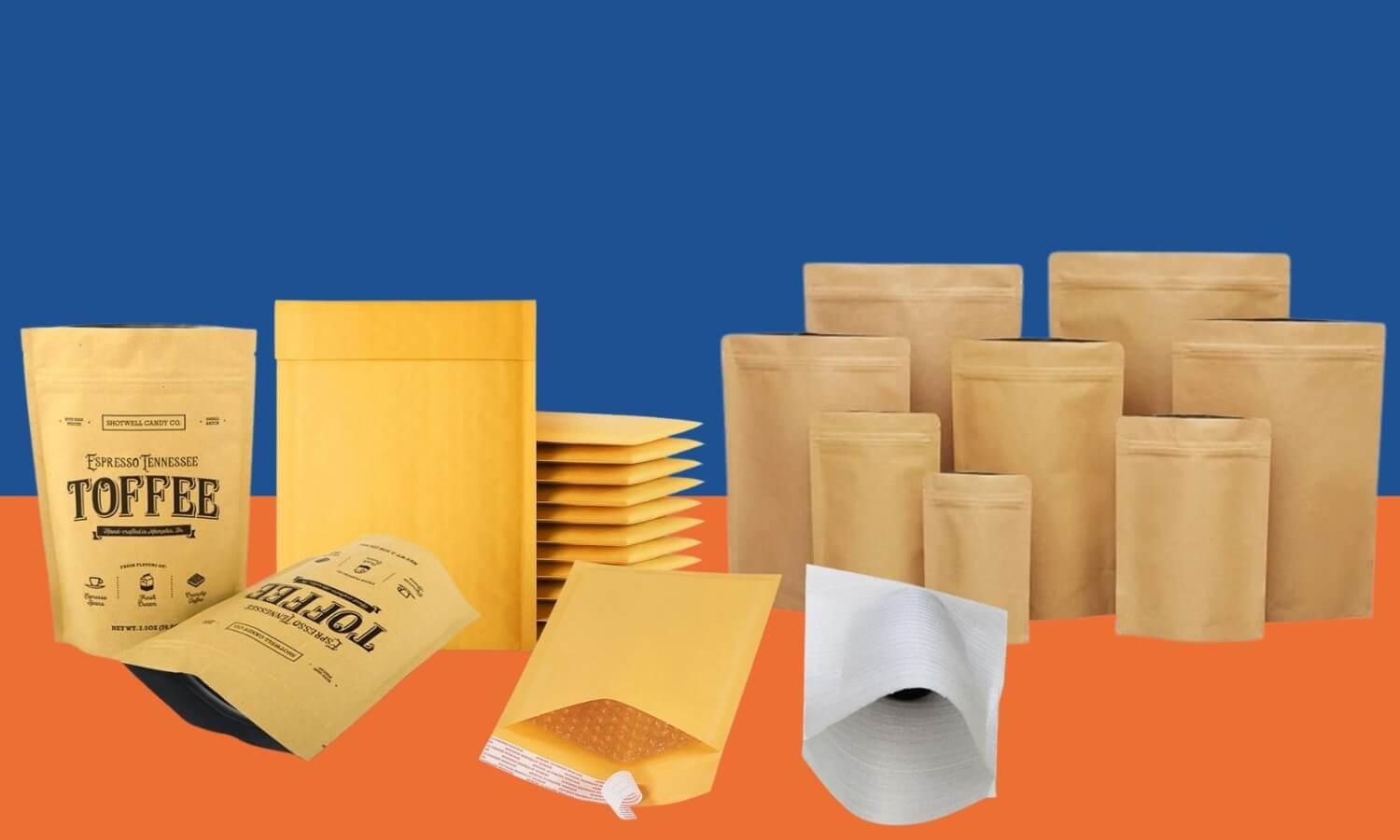
Every blockbuster hero succeeds because of one thing—mass appeal and impact. In the FMCG world, that role is played by flexible packaging.
In 2026, as consumer behavior evolves, e-commerce expands, and sustainability becomes non-negotiable, flexible packaging has emerged as the ultimate growth driver—balancing performance, cost, and innovation.
It’s not just packaging anymore—it’s a strategic business asset.
1. Brand Owners: Powering Growth & Differentiation
From global FMCG giants to emerging D2C brands, flexible packaging has become the go-to solution for building strong brands.
Why?
- High visual appeal with premium printing and design
- Excellent barrier properties for longer shelf life
- Cost efficiency in production and logistics
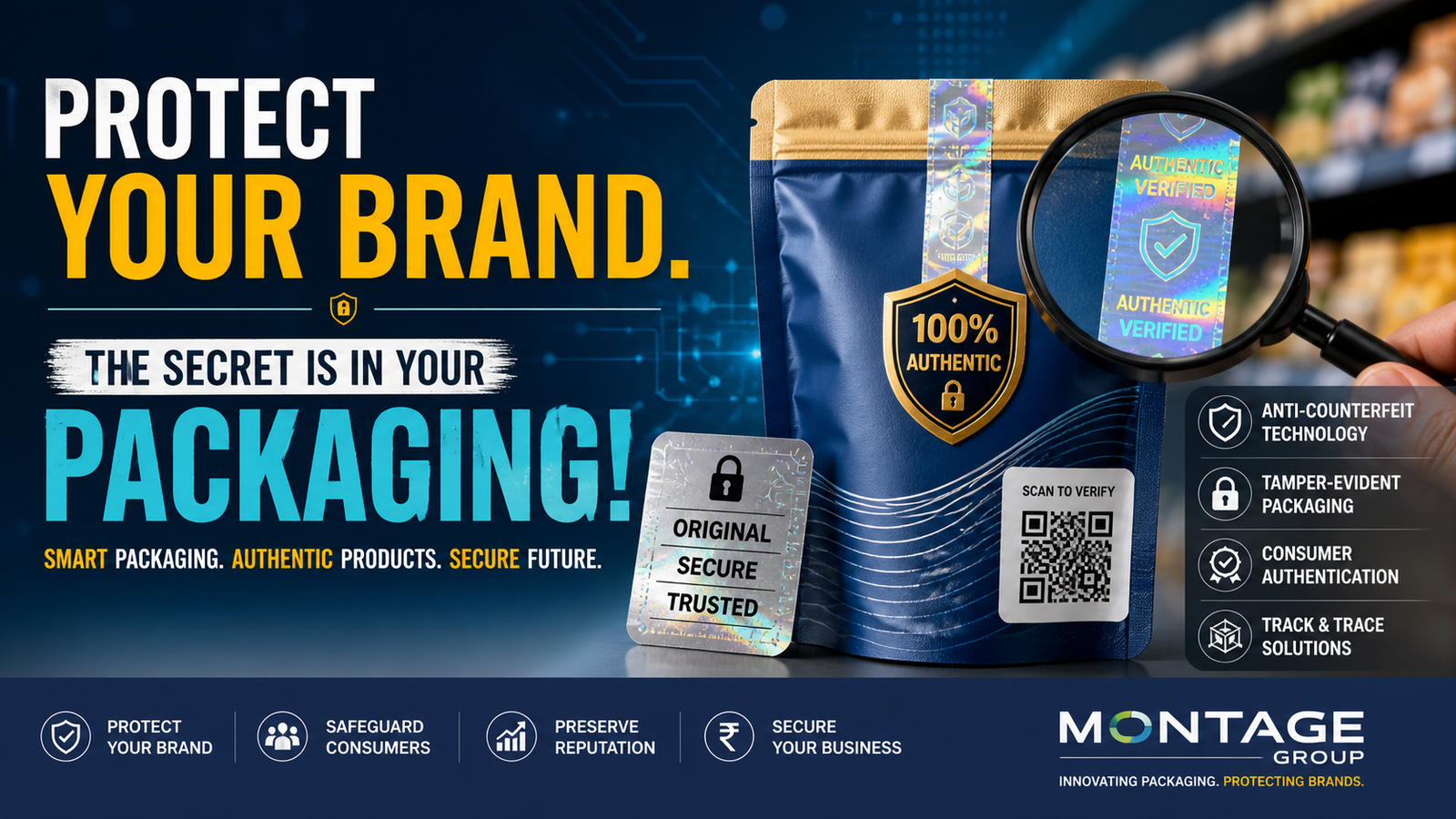
- Built-in anti-counterfeiting capabilities
In a crowded market, packaging is often the first moment of truth.
Flexible packaging enables:
- Eye-catching designs that influence buying decisions
- Storytelling through packaging (ingredients, values, usage)
- Consistent product quality through advanced sealing and protection
It essentially recreates the Point-of-Sale experience, even in digital environments.
2. E-commerce: Built for the Digital Supply Chain
E-commerce in 2026 is fast, demanding, and logistics-heavy.
Flexible packaging fits perfectly because it is:
- Lightweight and space-efficient
- Durable and damage-resistant
- Adaptable to different SKU sizes
Benefits for e-commerce brands:
- Reduced shipping costs
- Lower product damage and returns
- Better storage and handling efficiency
With the rise of quick commerce and same-day delivery, packaging must withstand multiple touchpoints—and flexible packaging delivers consistently.
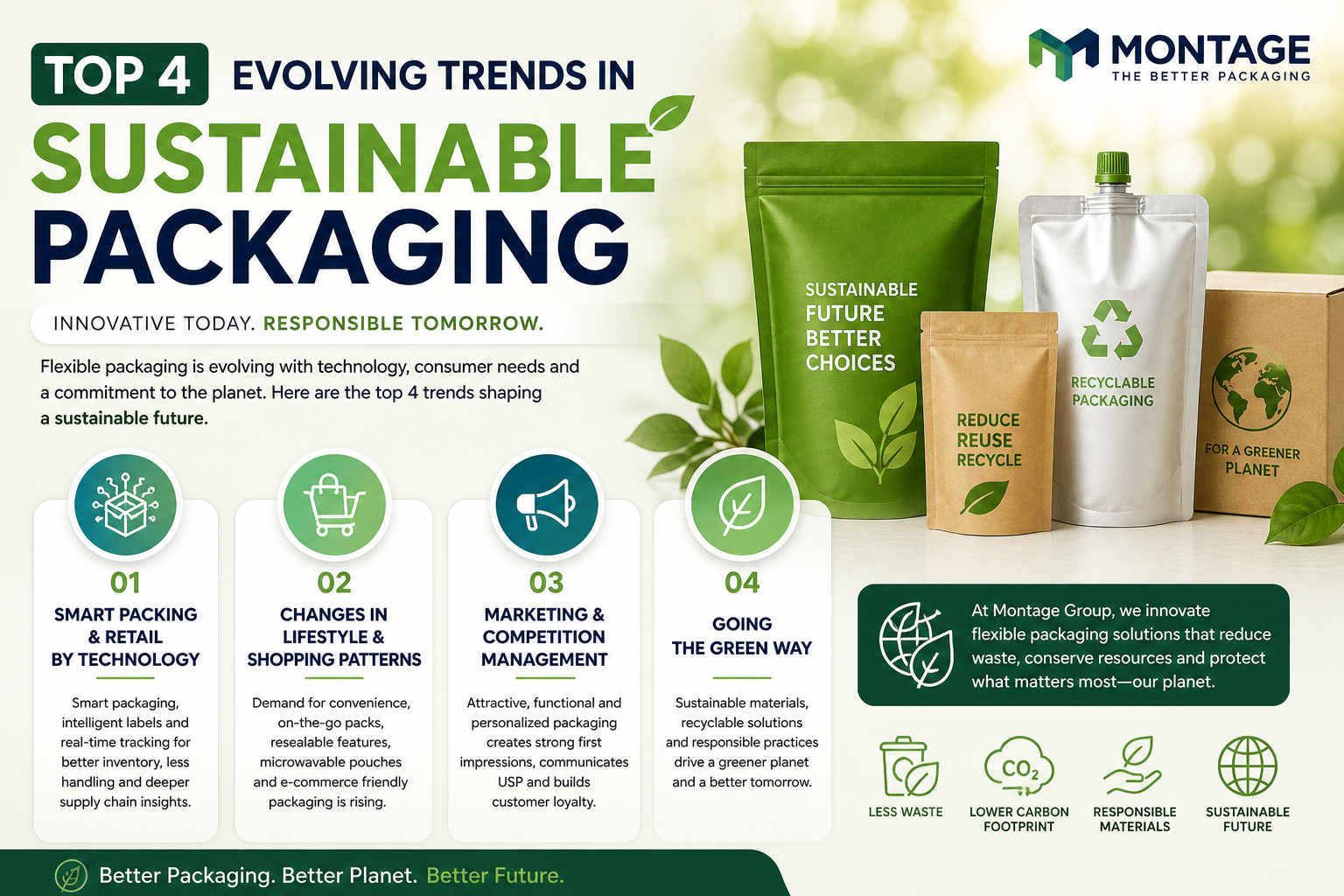
3. Sustainability: Driving the Green Transition
Sustainability is no longer optional—it’s a business mandate.
Flexible packaging is evolving rapidly to support:
- Recyclable mono-material structures
- Reduced material consumption
- Lower carbon footprint in transport
Compared to rigid packaging, it:
- Uses less energy to manufacture
- Generates less waste
- Optimizes logistics efficiency
Leading companies are now investing in:
- Circular economy models
- Advanced recycling technologies
- Eco-friendly material innovations
The goal for 2026 and beyond: 100% recyclable and responsible packaging solutions.
4. Consumers: Convenience Meets Experience
Today’s consumers expect:
- Convenience
- Transparency
- Engagement
Flexible packaging delivers all three.
Key features include:
- Resealable zippers
- Easy-tear openings
- Spouts for liquid products
- Compact, travel-friendly formats
It also enables:
- Clear product information
- Better visibility and shelf impact
- Enhanced unboxing experience
In a world full of choices, packaging plays a major role in helping consumers decide faster and feel confident about their purchase.
Conclusion: The Future Belongs to Flexible Packaging
As the FMCG industry continues to evolve, flexible packaging stands out as the perfect combination of innovation, efficiency, and sustainability.
It supports:
- Brand growth
- E-commerce scalability
- Environmental responsibility
- Consumer satisfaction
In 2026, flexible packaging isn’t just a “hero”—it’s the backbone of modern FMCG success.