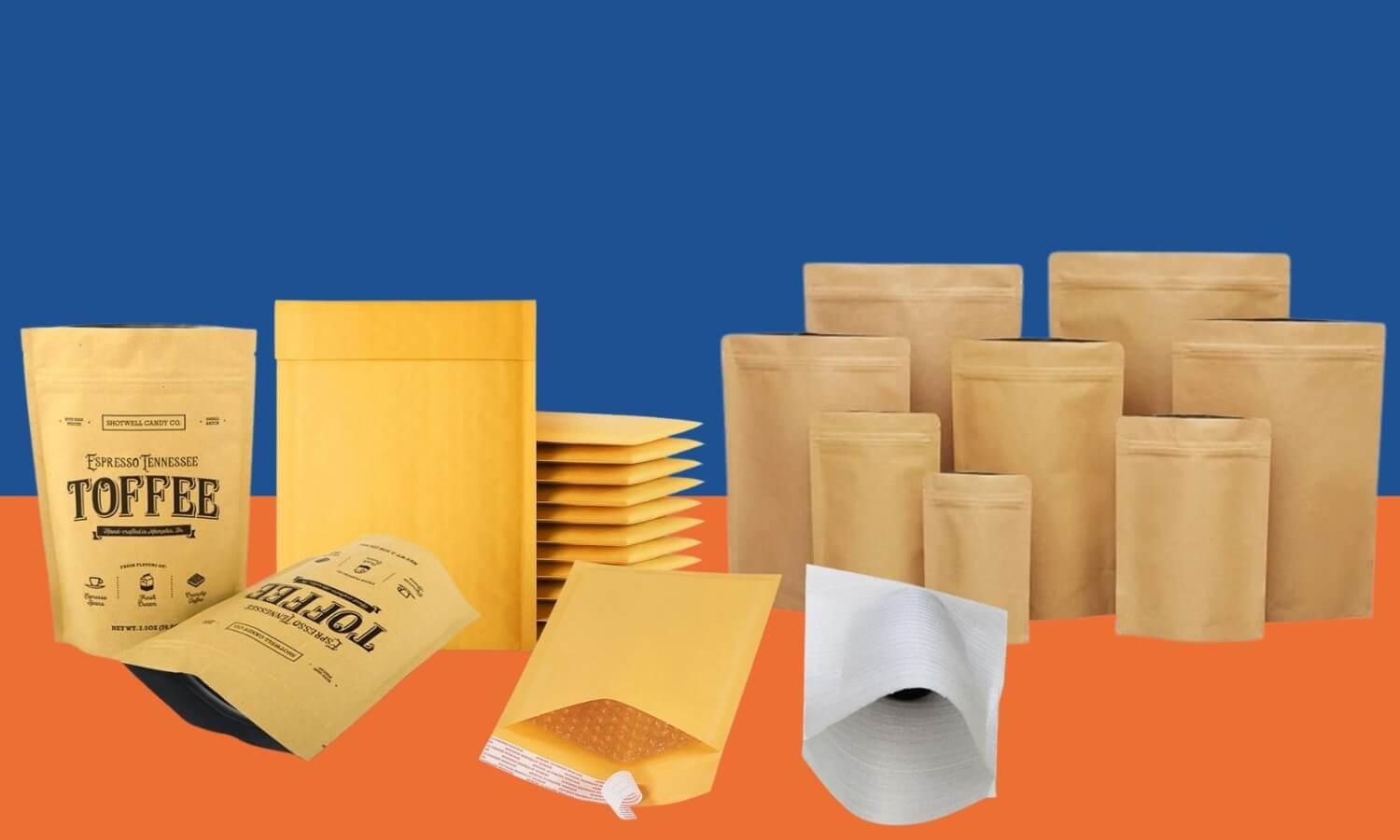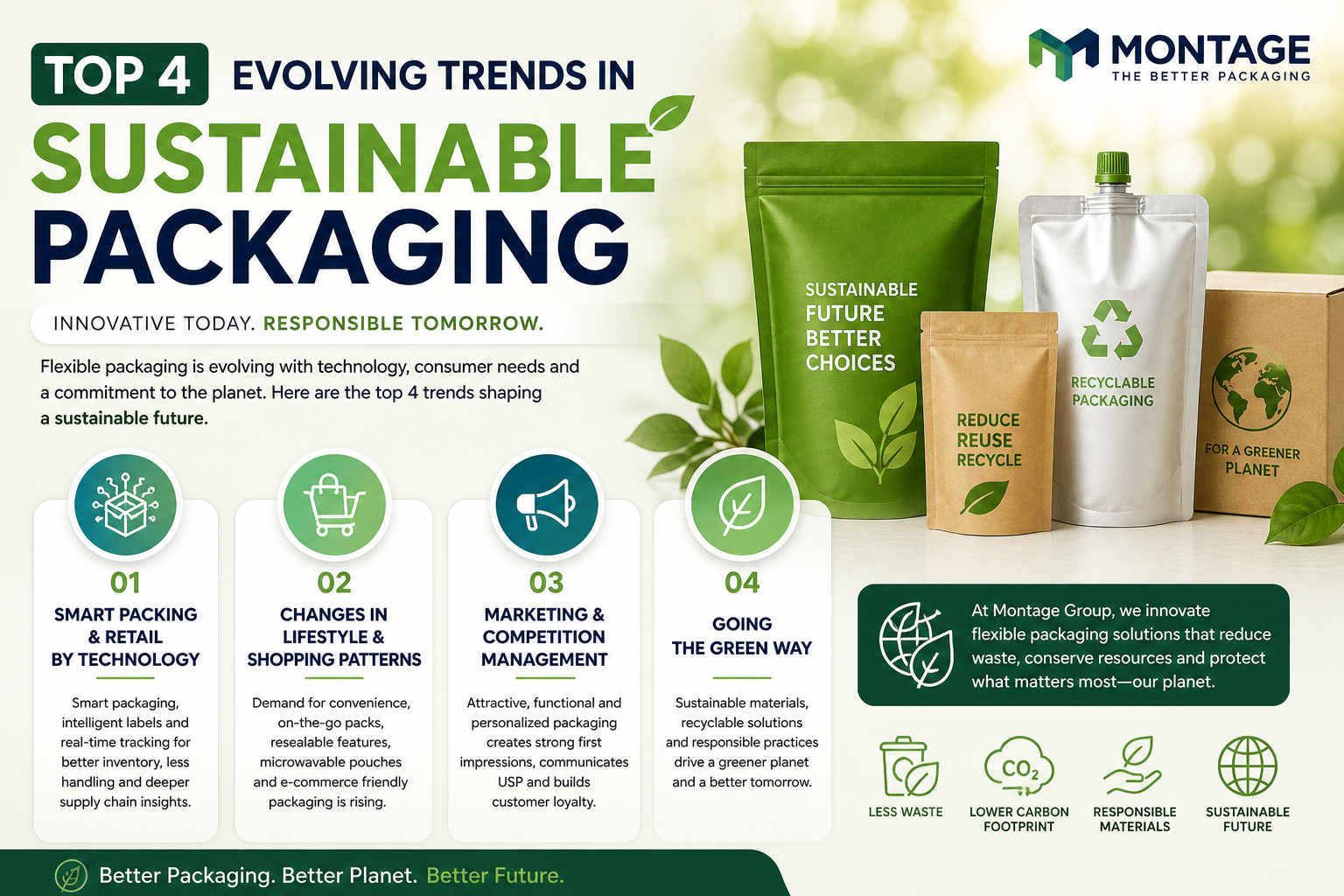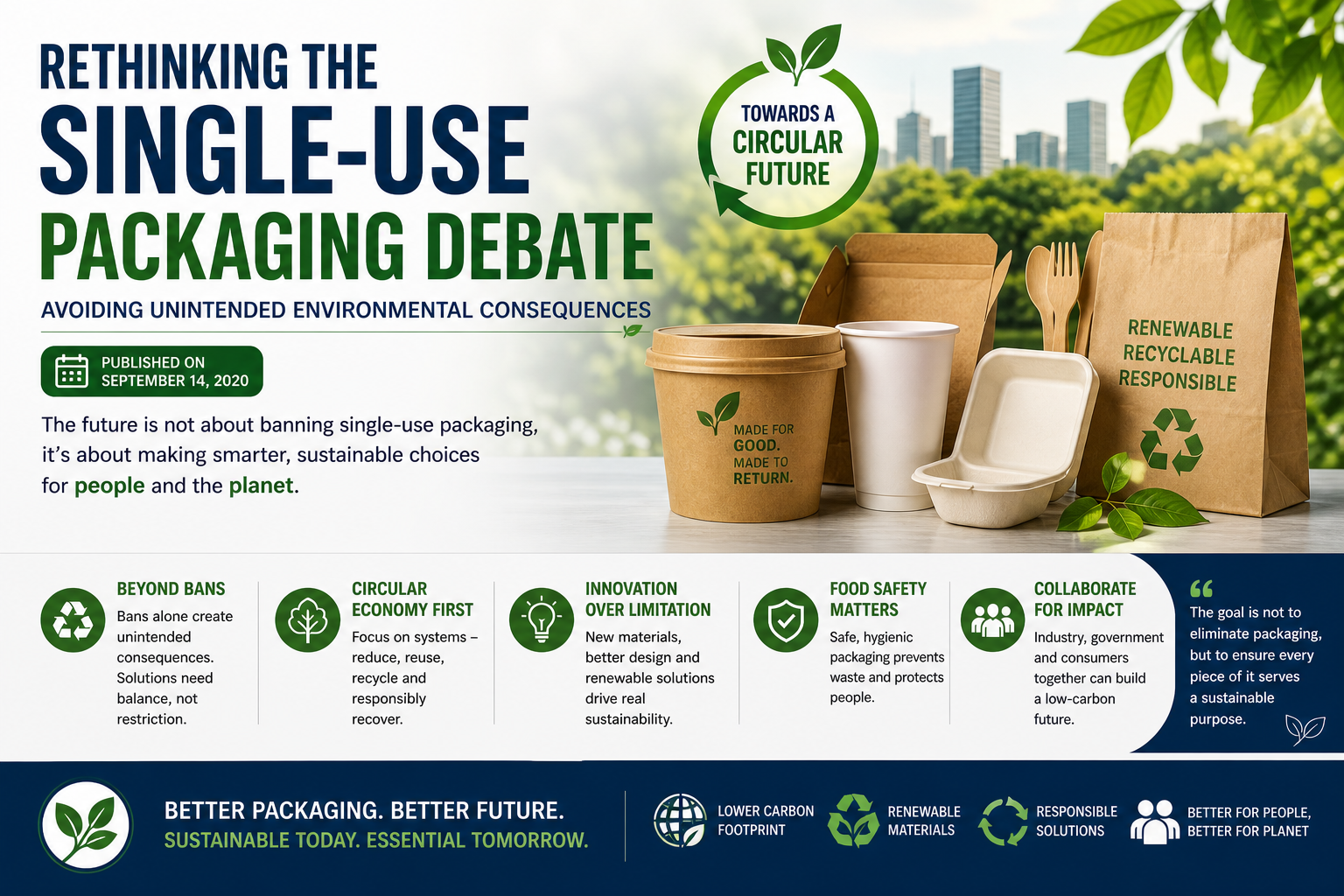
The global conversation around single-use packaging has evolved significantly over the past few years. What started as a strong push against plastic waste has now matured into a more nuanced and informed debate.
In 2026, the question is no longer “single-use vs. reusable”—it’s about what is truly sustainable across the entire lifecycle.
🌍 From Bans to Balanced Thinking
Earlier regulations, especially in regions like Europe, focused heavily on banning single-use plastics. While the intent was to reduce environmental harm, the outcomes have revealed a more complex reality.
Today, policymakers and industry leaders recognize that:
- Not all single-use packaging is harmful
- Not all reusable solutions are environmentally superior
- Sustainability depends on material, usage, and disposal systems
A blanket ban approach often leads to unintended consequences, including higher carbon emissions and increased resource consumption.
♻️ The Rise of Circular Economy Thinking
The focus in 2026 has shifted toward building a circular economy, where packaging is designed to be:
- Recyclable
- Compostable
- Made from renewable materials
- Efficient in resource usage
Instead of eliminating single-use packaging entirely, the goal is to ensure it fits into a sustainable lifecycle.
This means:
- Better waste collection systems
- Advanced recycling infrastructure
- Increased consumer awareness
🌱 Material Innovation is Leading the Way
One of the biggest misconceptions earlier was equating all coated or composite materials with plastic.
Today, innovation has unlocked:
- Fiber-based packaging with minimal coatings
- Bio-based and compostable materials
- Hybrid solutions with lower carbon footprints
These alternatives often outperform traditional reusable options in terms of energy consumption, hygiene, and emissions, especially in food packaging.
🍽️ Food Safety Cannot Be Compromised
A critical factor often overlooked in the debate is food safety and hygiene.
Single-use packaging plays a vital role in:
- Preventing contamination
- Extending shelf life
- Reducing food waste
In fact, reducing food waste can have a greater environmental impact than eliminating certain types of packaging.
In 2026, the industry recognizes that sustainability must go hand-in-hand with safety.
📦 The Real Problem: Waste Management, Not Usage
The issue is not packaging itself—but how it is handled after use.
Key challenges remain:
- Inefficient waste segregation
- Limited recycling infrastructure in many regions
- Lack of consumer awareness
Addressing these challenges creates far more impact than simply banning products.
🚀 The Way Forward for Businesses
Forward-thinking companies are now focusing on:
- Designing packaging for recyclability
- Reducing material usage without compromising performance
- Investing in sustainable supply chains
- Collaborating with governments and recyclers
The shift is from “less packaging” to “better packaging.”