The way India shops has permanently changed. What accelerated during the pandemic has now become the default consumer behavior. From groceries and personal care to electronics and fashion—e-commerce is no longer an alternative, it’s the primary channel.
With rapid growth in Tier 2 and Tier 3 cities, increasing smartphone penetration, and faster delivery expectations, brands are now designing products specifically for online-first consumption.
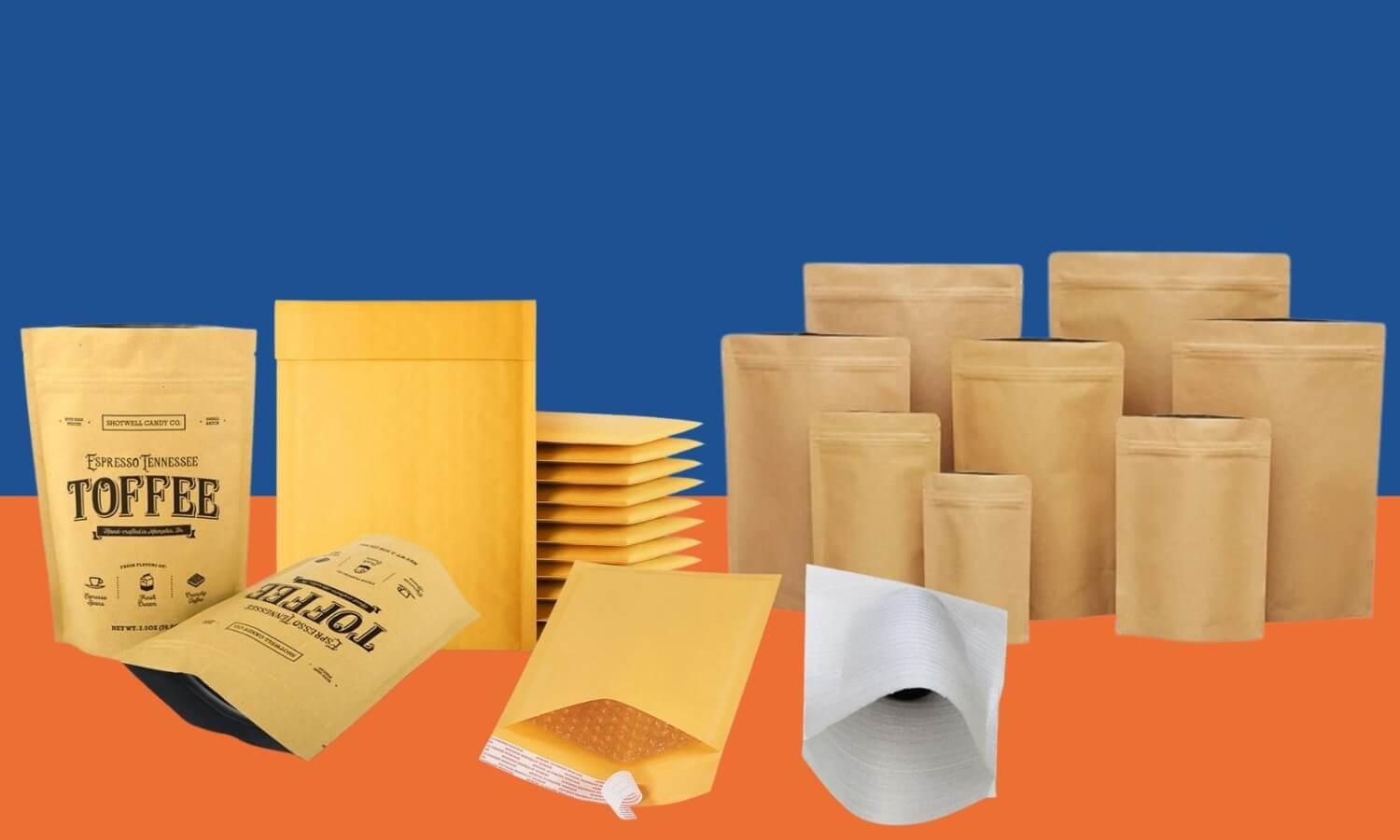
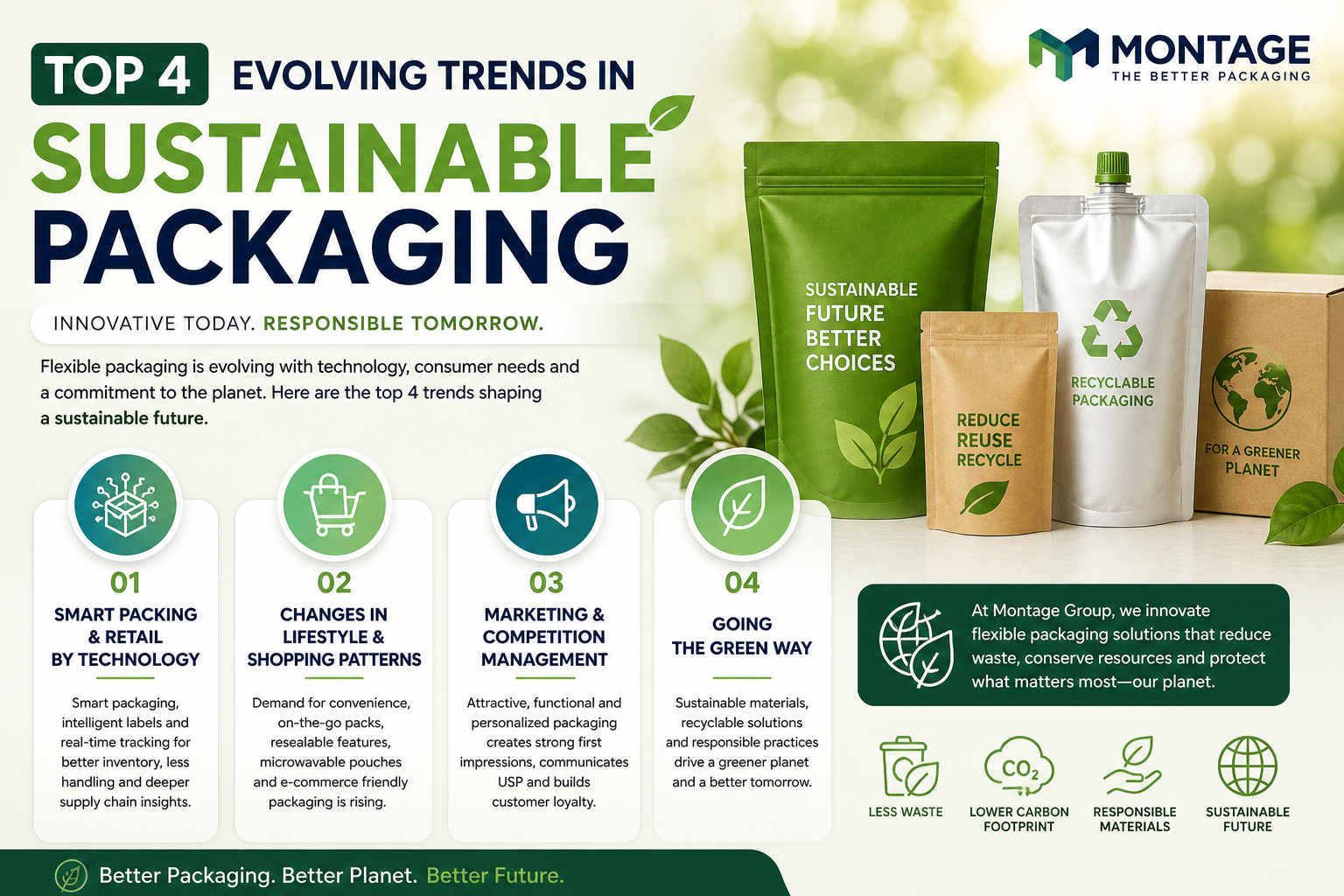
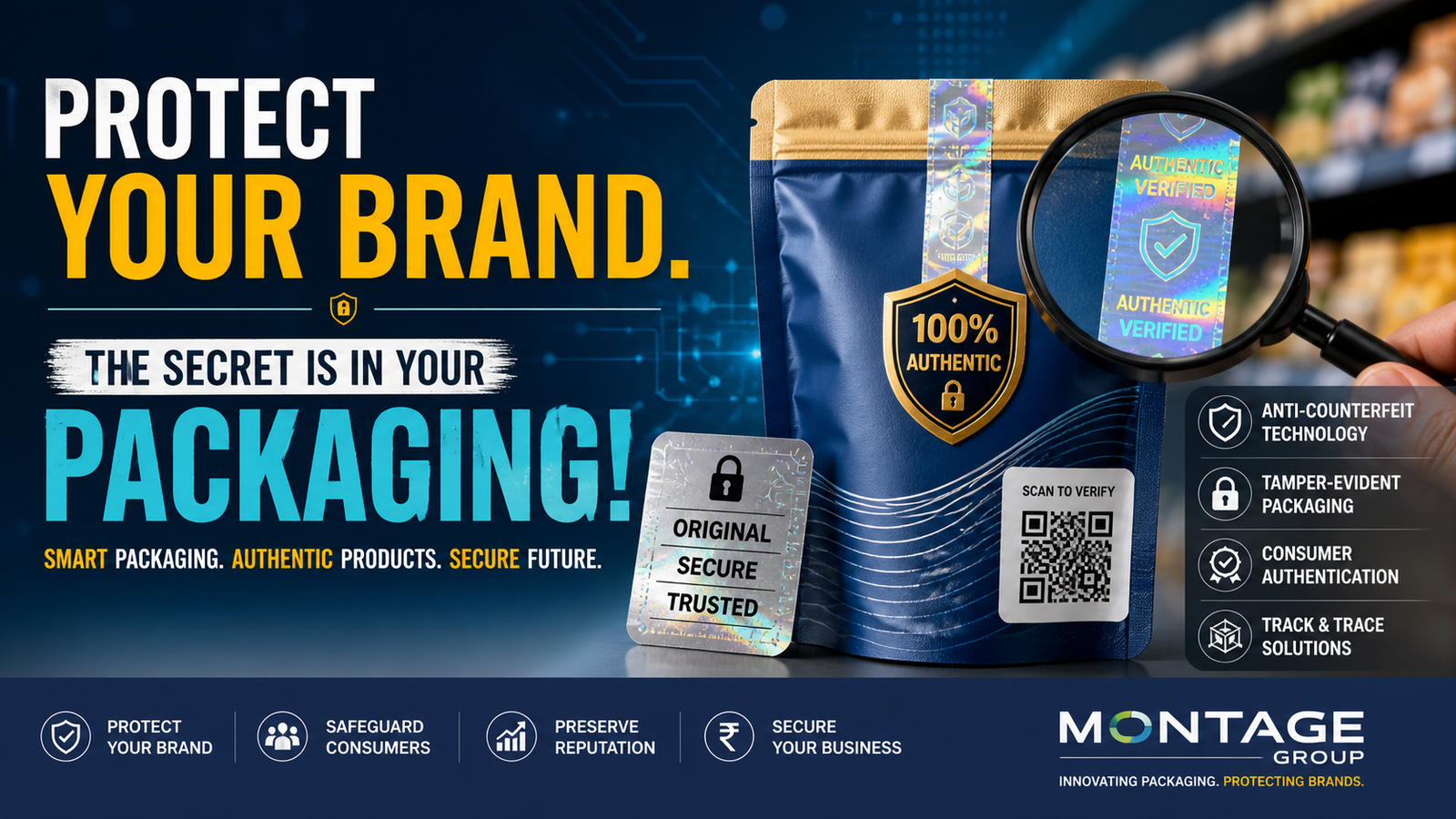
In this transformation, one unsung hero stands out—flexible packaging.
The E-commerce Boom in 2026
India’s e-commerce ecosystem has matured into a high-speed, logistics-driven marketplace where:
- Same-day and next-day deliveries are standard
- Consumers expect secure, damage-free packaging
- Returns and reverse logistics are part of the system
This shift has forced FMCG and D2C brands to rethink packaging—not just for shelves, but for shipping, handling, and customer experience.
Top 4 Reasons Why Flexible Packaging is Essential for E-commerce
1. Built for Multiple Touchpoints
Unlike traditional retail, e-commerce involves multiple handling stages:
- Warehouse storage
- Sorting hubs
- Delivery transit
- Last-mile handling
Flexible packaging—like sealed pouches and multi-layer films—offers:
- High durability
- Resistance to puncture and leakage
- Protection from contamination
This ensures products reach customers in perfect condition, maintaining brand trust.
2. Lower Environmental Impact
Sustainability is a key concern in 2026.
Flexible packaging helps brands:
- Reduce dependency on bulky outer boxes
- Use less material overall
- Lower carbon footprint during transportation
Compared to rigid packaging, it:
- Requires less energy to produce
- Generates less waste
- Optimizes space in logistics
Making it a smarter and greener choice for modern brands.
3. Efficient Returns & Reusability
Returns are a major part of e-commerce—especially in categories like fashion and personal care.
Flexible packaging offers:
- Resealable zippers
- Reusable pouches
- Easy-to-handle return packaging
This reduces:
- Additional packaging costs
- Waste generation
- Operational friction in reverse logistics
A win-win for both brands and consumers.
4. Lightweight = Lower Shipping Costs
Shipping costs are one of the biggest challenges in e-commerce profitability.
Flexible packaging is:
- Lightweight
- Space-efficient
- Easy to stack and transport
This results in:
- Lower shipping costs per unit
- Better storage efficiency
- Improved margins for brands
For D2C and FMCG companies, this becomes a critical competitive advantage.
Conclusion: Packaging Designed for the Digital Era
In 2026, e-commerce is not just growing—it’s defining how products are built, packaged, and delivered.
Flexible packaging has emerged as a perfect fit for this ecosystem, offering:
- Protection
- Cost efficiency
- Sustainability
- Convenience
Brands that adapt to e-commerce-friendly packaging will not only reduce costs but also deliver better customer experiences and stronger brand loyalty.
Because today, success in e-commerce doesn’t just depend on the product—it depends on how well it is packaged and delivered.