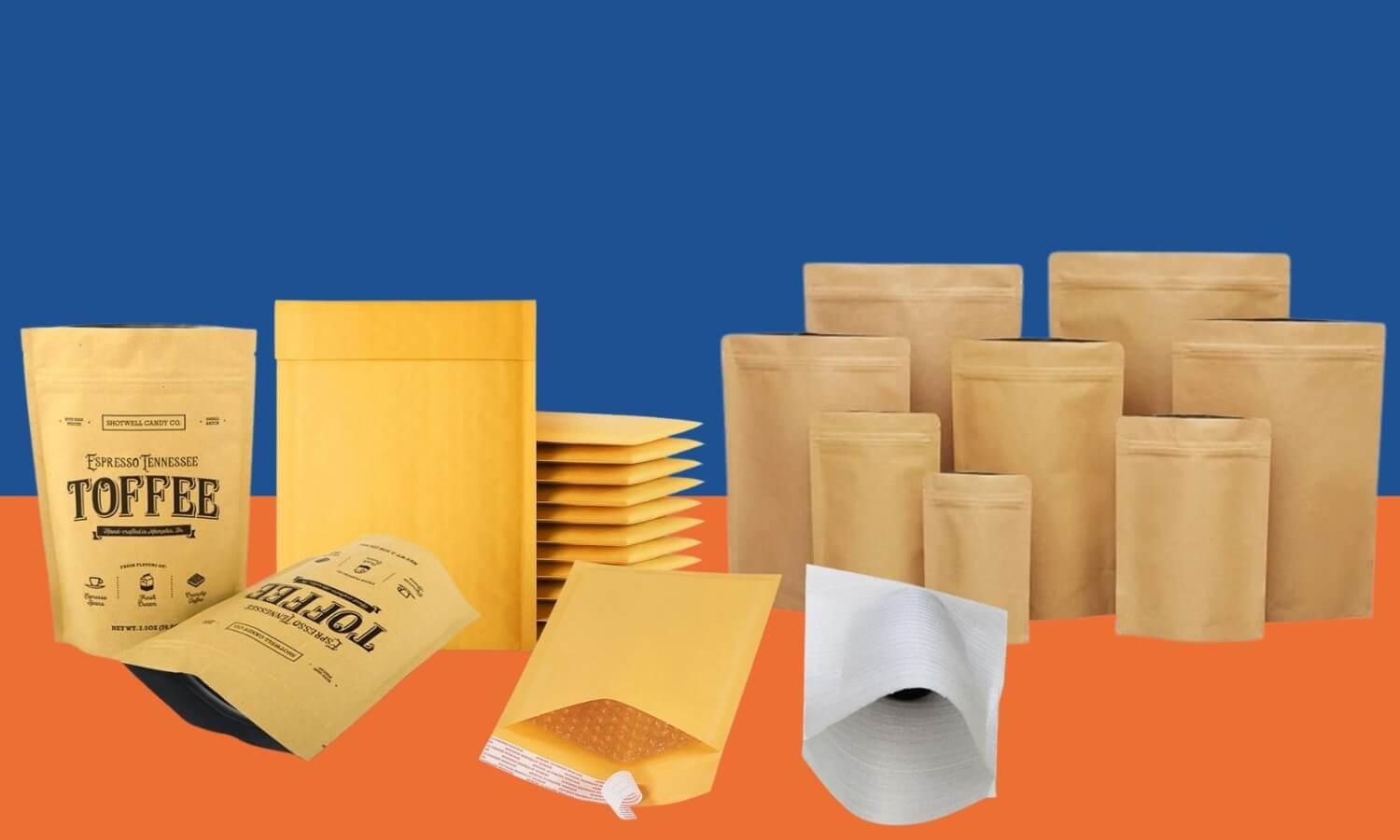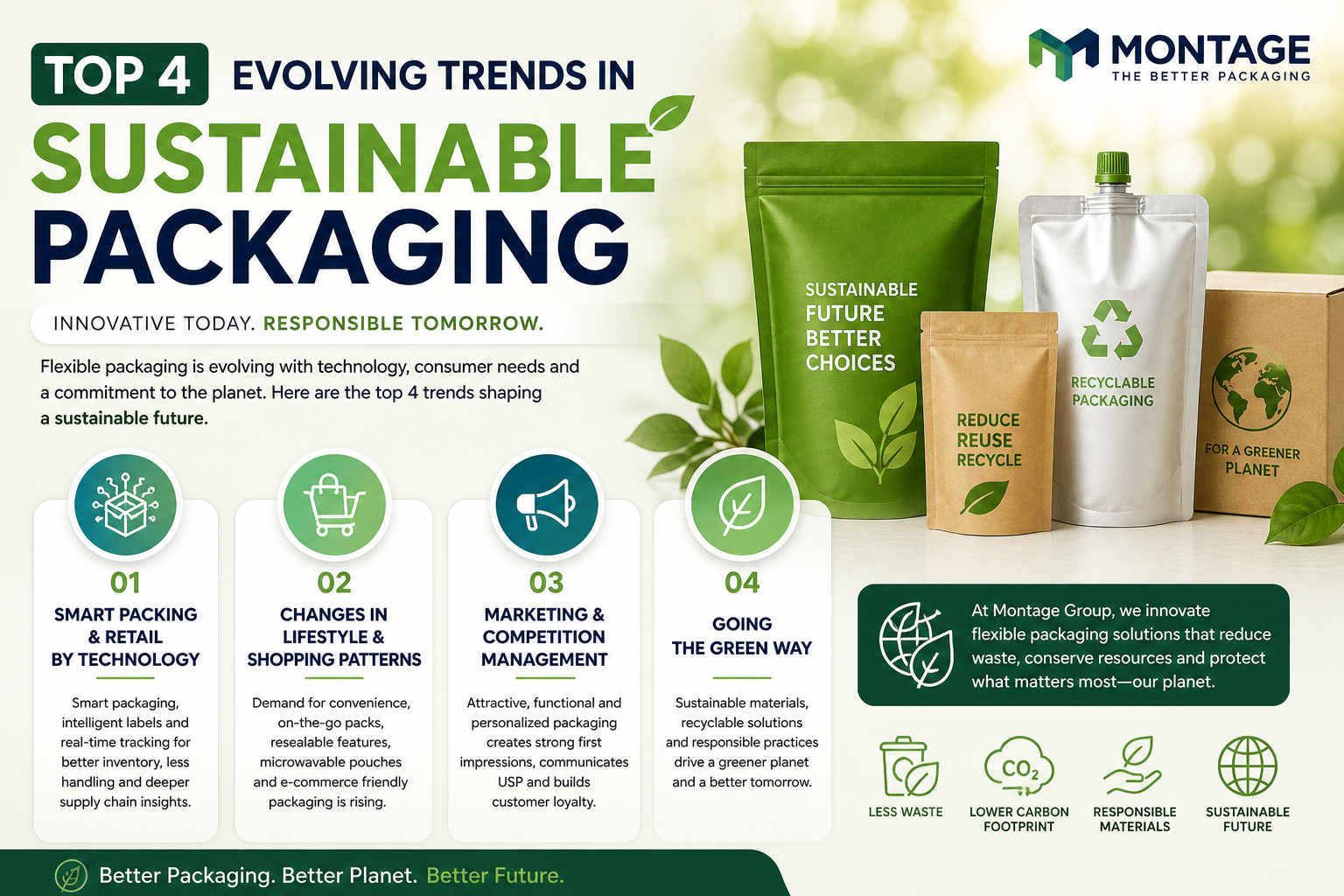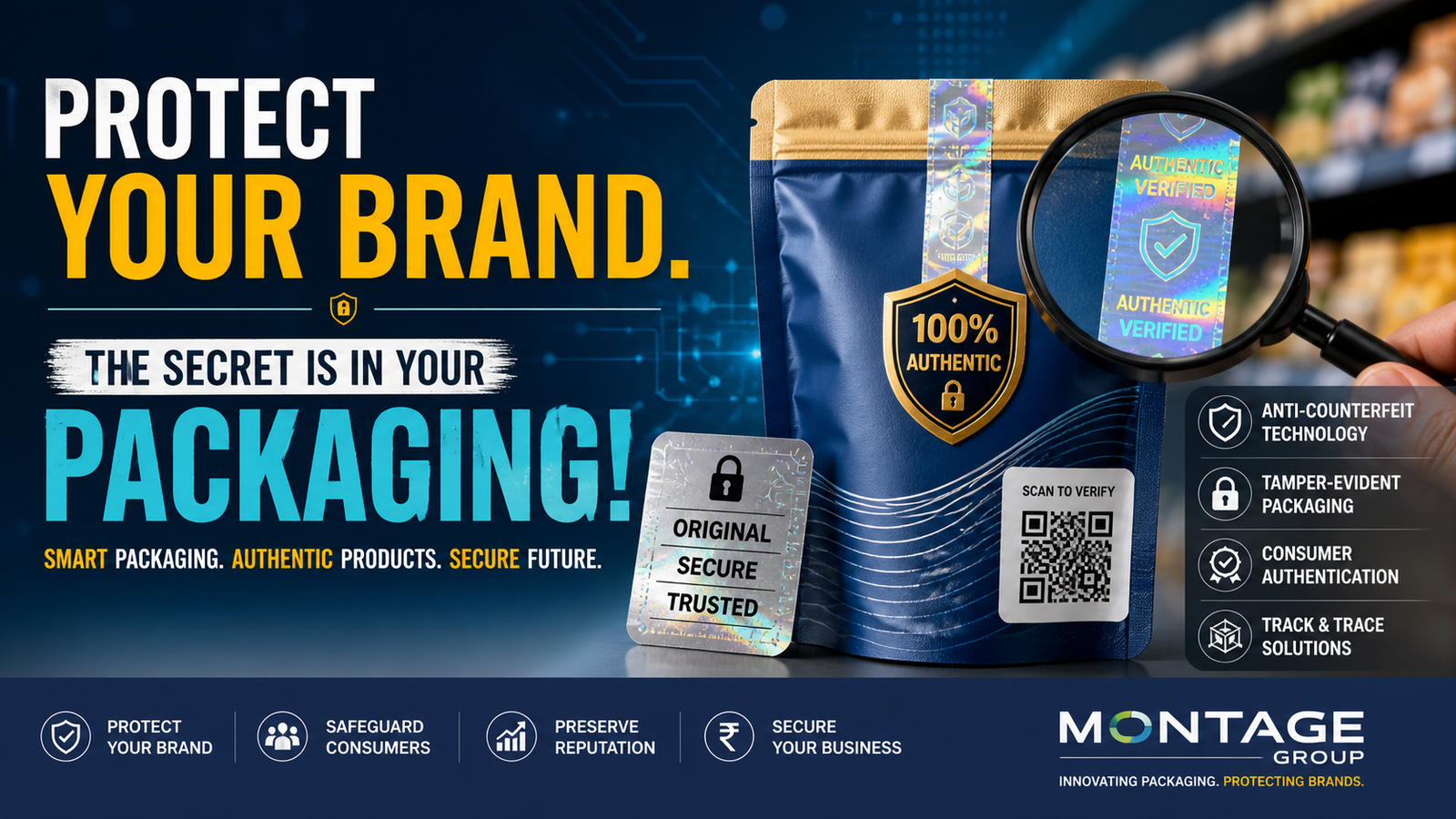
Flexible packaging has become one of the most widely used solutions for primary packaging—especially for pouches, sachets, and bags. Built using advanced multi-layer combinations like PET, METPET, and Poly, it offers durability, protection, and efficiency at scale.
Yet, despite its widespread adoption, questions around its recyclability continue to surface. While it’s true that recycling flexible packaging comes with challenges, it’s equally important to recognize its environmental advantages and evolving role in a circular economy.
Here’s why flexible packaging remains a smart, sustainable choice in today’s world:
1. Evolving Recycling Capabilities
Flexible packaging is often criticized for its complex multi-layer structure, which can make recycling more challenging. However, this complexity is intentional—it enhances product safety, shelf life, and durability.
The good news is that innovation in recycling technologies is rapidly improving. From advanced separation techniques to chemical recycling methods, the industry is actively working toward scalable solutions.
While no packaging format is perfect, flexible packaging is steadily moving toward better recyclability and remains a key player in the transition to a circular economy.
2. Reduced Resource Consumption
Sustainability isn’t just about end-of-life recyclability—it’s also about how efficiently resources are used throughout the product lifecycle.
Flexible packaging:
- Uses significantly less raw material than rigid packaging
- Is lightweight, reducing transportation emissions
- Minimizes storage and warehousing requirements
This results in a lower carbon footprint and improved supply chain efficiency, making it a more environmentally responsible option overall.
3. Smarter Packaging, Better Outcomes
Flexible packaging is highly customizable, allowing brands to design packaging tailored to specific product needs. Industries such as FMCG, pharmaceuticals, and healthcare benefit from:
- Enhanced product protection
- Improved shelf life
- Better communication through design and labeling
- Greater convenience for consumers
Effective packaging reduces product waste by ensuring goods reach consumers in optimal condition—ultimately saving resources and boosting overall efficiency.
4. Collective Responsibility for Recycling
Recycling flexible packaging is not a standalone effort—it requires collaboration across the entire ecosystem.
Key stakeholders include:
- Brands and manufacturers
- Consumers
- Government bodies
- Recycling facilities
- Waste management systems
By improving awareness, investing in infrastructure, and promoting responsible disposal practices, the recyclability of flexible packaging can be significantly enhanced.
A unified approach is essential to unlocking its full sustainability potential.